Loft and cavity foam stripped out, timber checked, ventilation restored

Residential Spray Foam Removal in Bridgwater

Residential Spray Foam Removal in Bridgwater is the job you call us for when foam insulation has trapped moisture in your roof timbers or a surveyor has flagged it ahead of a sale. We cover Bridgwater, Wembdon, Puriton and the surrounding Somerset villages, removing open cell and closed cell spray foam from lofts, rafters and cavity walls. Most homes are cleared within one to three days.

↗
Fast online booking

Request service today

Tell us what is happening. Our local team will confirm your visit shortly.

No spam. No obligation. Just practical help.
Thanks — we'll call shortly to confirm your visit.
Residential Spray Foam Removal by Spray Foam Haven Experts
Careful work. Honest options.
About this service

What Residential Spray Foam Removal in Bridgwater Involves

Residential Spray Foam Removal in Bridgwater is the controlled stripping of polyurethane foam insulation from roof timbers, loft decks and cavity walls, followed by inspection and reinstatement of ventilation. We cut the foam back with an oscillating multi-tool and reciprocating saw, then extract it with an industrial vacuum extraction unit so dust and foam crumbs do not spread through the house. A boroscope inspection camera goes into the eaves to check for rot before we sign anything off.

Bridgwater homes built between the 1930s and 1970s are the ones we see most often, particularly around Hamp and Eastover where older roof structures sit under slate and concrete tile. Foam sprayed directly onto rafters blocks the airflow a roof needs, and Somerset's damp winters make that worse. If you are searching for domestic spray foam removal near me Bridgwater, we will tell you on the first visit whether the foam is causing a problem or just sitting there.

  • ✓ Mortgage Offers Unblocked
  • ✓ Timber Rot Stopped Early
  • ✓ Ventilation Restored
  • ✓ Insurance Questions Answered
What's included

What Our Residential Removal Service Covers

Every residential spray foam removal job includes the survey, containment, extraction, timber inspection and written report as standard. There is no separate charge for the air scrubber, the vacuum unit or the documentation. If your loft needs new insulation afterwards, we quote that separately so you can see exactly what you are paying for.

✓

Full Loft Survey

Before any work starts we measure foam thickness, check timber moisture with a moisture meter, and run a thermal imaging camera across the roof structure. You get the readings in writing, which is often what a surveyor asks for first.

✓

Contained Foam Extraction

We seal the loft hatch, set up an air scrubber and negative air machine, and remove the foam with an industrial vacuum extraction unit. Nothing is swept or bagged by hand, which is why the rest of the house stays clean.

✓

Timber Inspection

With the foam gone we check every rafter with a boroscope inspection camera and a moisture meter. Anything reading above 20 percent is flagged with a photograph and a recommendation, so you know whether treatment is needed.

✓

Ventilation Reinstatement

We clear the eaves gap, confirm the breathable membrane is intact, and make sure air can move through the roof again. Where a vapour barrier is needed on the warm side, we fit it to current standards.

✓

Written Removal Report

A dated report with before and after photographs, moisture readings and a ventilation statement. It is written for lenders and surveyors, and most of our Bridgwater customers use it to unblock a mortgage or an insurance query.

✓

Full Clean-Up

All foam is bagged and removed from site. We vacuum the loft, wipe down surfaces, and take the protective sheeting away with us. You get the loft back empty and ready for new insulation.

How it works

How Our Removal Process Works

01

Assessment

We inspect the loft, measure foam thickness, and check timber moisture with a moisture meter and thermal imaging camera. You get a fixed price the same day, usually within two hours of the visit. If the foam is fine and the problem is elsewhere, we will say so rather than sell you a removal you do not need.

02

Containment

Before any cutting starts we seal the loft hatch, lay protective sheeting, and set up an air scrubber and negative air machine so dust and foam particles stay in the work zone. This stage takes around 45 minutes and is the reason your carpets and furniture stay clean.

03

Foam Removal

We cut the foam away from rafters and roof deck with an oscillating multi-tool and reciprocating saw, then pull it out with an industrial vacuum extraction unit. A typical three-bedroom semi in Bridgwater takes one to two days. Closed cell spray foam is denser and can add half a day.

04

Inspection and Drying

With the foam gone we run a boroscope inspection camera along the eaves and check every rafter with a moisture meter. Any timber reading above 20 percent gets flagged and treated. We leave the loft ventilated so the structure dries naturally over the following weeks.

05

Report and Reinstatement

You receive a written removal report with dated photographs, moisture readings, and notes on ventilation, suitable for lenders and surveyors. We then refit the loft insulation to current standards using loft insulation and a vapour barrier where needed, and clear up completely.
Tools & methods

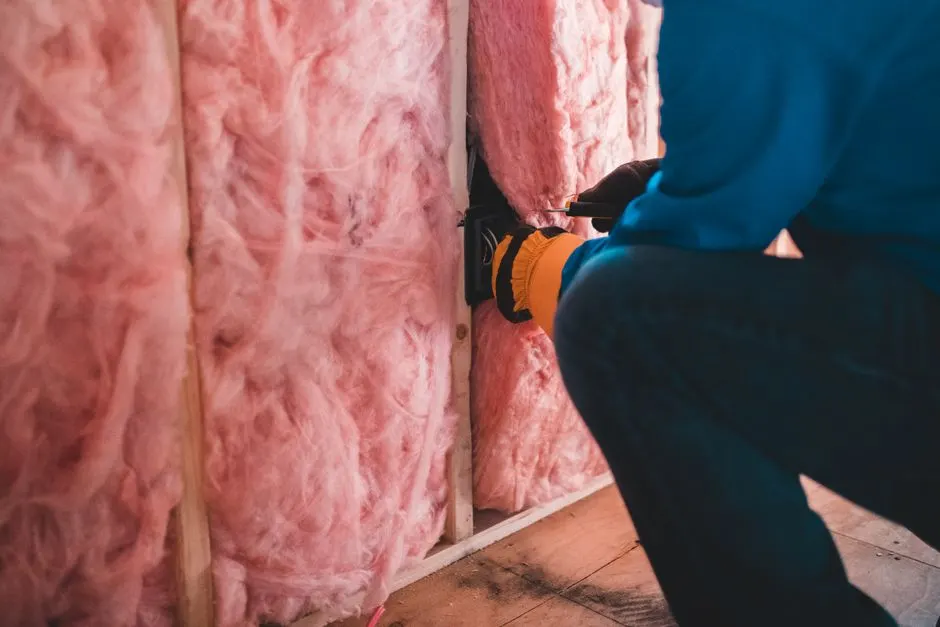
Tools and Methods We Use

Purpose-built equipment, used by trained technicians — so the job is done accurately the first time.

Industrial vacuum extraction unit

Pulls foam crumbs and dust straight from the cut point into a sealed container, so nothing settles on your loft floor or drifts down the stairwell.

Air scrubber and negative air machine

Run continuously during cutting to keep the work zone under negative pressure. This is why the rest of the house stays clean even on a two-day job.

Oscillating multi-tool and reciprocating saw

Cut foam away from rafters and roof deck with controlled depth, so we do not gouge the timber we are trying to save.

Boroscope inspection camera

Goes into the eaves and along rafter runs where you cannot see by eye, so we can check for rot and confirm the ventilation path is clear.

Moisture meter and thermal imaging camera

Give us numbers rather than guesses. Timber above 20 percent moisture gets flagged, and the thermal camera shows where damp is sitting behind plasterboard.

Dry ice blasting machine

Used on ornate or brittle rafters where a blade would cause damage. The foam freezes and releases cleanly from the timber surface.

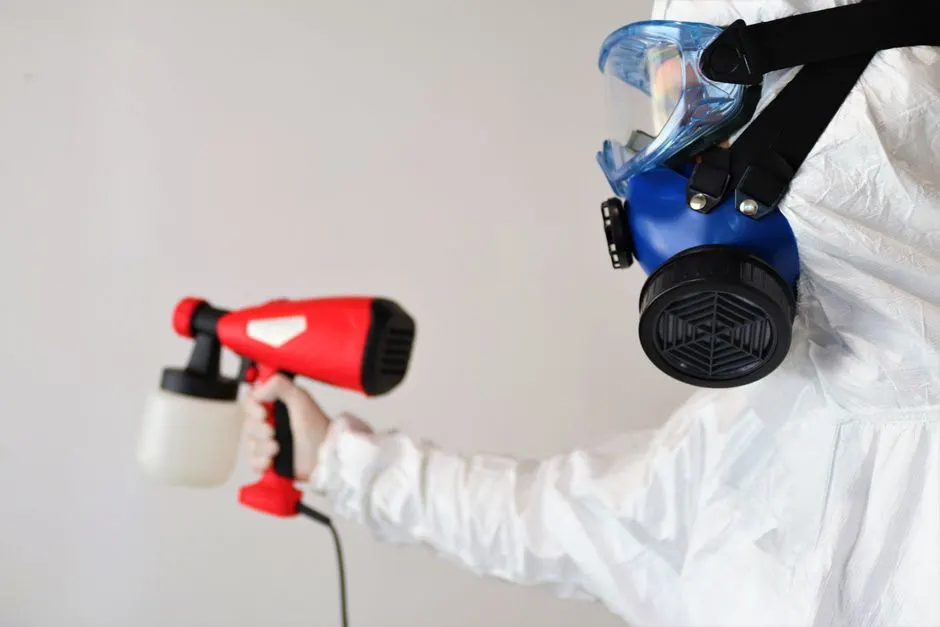
PPE disposable coveralls and respirator filters

Every technician wears full protection, and we change respirator filters daily on longer jobs. Foam dust is not something to breathe in.

Real results

Before and after.

Stalled Sale in Wembdon Unblocked

Before

A three-bedroom semi in Wembdon had closed cell foam sprayed across every rafter. The buyer's lender declined the mortgage and the sale had been stalled for nine weeks. Two rafters were reading above 25 percent moisture when we surveyed.

After

We removed the foam over two and a half days, treated the two damp rafters, and restored the eaves ventilation. The written report went to the lender the same week. The mortgage was approved eleven days later and the sale completed.

Damp Patch Fixed in Eastover Terrace

Before

A Victorian terrace in Eastover had a recurring damp patch on an upstairs ceiling. Two roofers had checked the tiles and found nothing wrong. Our survey showed foam bridging the eaves and timber moisture at 22 percent, with condensation running down the rafters.

After

Foam came out in a single day. Ventilation was reinstated and the eaves gap cleared. Within three weeks the timber had dried to 14 percent and the ceiling patch had stopped returning. No redecoration was needed beyond a fresh coat of paint.

Insurance Renewal Sorted in Puriton

Before

A landlord in Puriton had a bungalow with open cell foam across the whole loft floor and rafters. His insurer refused to renew until the foam was gone. The loft had no ventilation path at all and the foam was holding moisture against the roof deck.

After

We cleared the loft in two days, inspected all rafters, and reinstated loft insulation to current standards with a vapour barrier. The removal report was issued on day three. The insurer renewed the policy the following week with no exclusions.

Problems we solve

Problems We Solve for Bridgwater Homeowners

Spray foam is not always a problem, but when it is, the symptoms show up in predictable ways. These are the four issues we are called out for most often across Bridgwater and the surrounding villages.

Ask a pro →
01

Surveyor has flagged spray foam insulation ahead of a sale

We remove the foam, inspect the timber, and issue a written report with dated photographs and moisture readings. Most lenders accept it without a second visit, and stalled Bridgwater sales typically complete three to four weeks after removal.

↗
02

Roof timber rot from trapped moisture

We strip the foam, check every rafter with a moisture meter, and flag anything above 20 percent. Timber that is still sound dries out once airflow returns. Where rot has started, we tell you exactly which rafters need treatment before it spreads.

↗
03

Condensation and damp from spray foam

Nine times out of ten the cause is blocked ventilation rather than a failed roof. We clear the foam, restore the eaves gap, and confirm the breathable membrane is doing its job. The damp stops once air can move again.

↗
04

Difficulty obtaining home insurance

Our removal documentation gives you a dated record showing the foam is gone and the roof has been inspected. Underwriters accept it as evidence of remediation, and most Bridgwater customers get a quote back within a week of the report being issued.

↗
Proof you can check

Credentials and Reviews

✓
BPCA membershipBritish Pest Control Association
✓
CHAS accreditationCHAS
✓
SafeContractor approvalSafeContractor
✓
TrustMark registeredTrustMark
✓
Public liability insuranceUK insurer
Good questions

Frequently Asked Questions

0127 827 6038 →

Typical 2026 pricing in Bridgwater runs from 1,200 to 3,500 pounds for a standard three-bedroom house, depending on foam type and loft size. Closed cell spray foam takes longer to cut and costs more than open cell. Cavity wall foam removal is priced separately. We give you a fixed figure on the day of the assessment, so the number you hear is the number you pay.

Yes. We remove open cell and closed cell spray foam from lofts, rafters, roof decks and cavity walls on houses across Bridgwater and Somerset. That includes bungalows, terraces and new-builds. If you are unsure whether your foam needs to come out, book an assessment and we will inspect the timber with a moisture meter before recommending anything.

Most lenders will not release funds while spray foam sits on the underside of roof timbers, but they will once it is removed and documented. We supply a written removal report with dated photographs and moisture readings that satisfies the surveyor's condition. Many Bridgwater sales that stalled on spray foam complete within three to four weeks of the removal being signed off.

A typical three-bedroom semi takes one to two days for open cell foam and up to three days for closed cell. Cavity wall foam adds a further day. We work in stages, so containment is set up on the morning of day one and the loft is clear by the end of the last day. You can stay in the house throughout.

Ready when you are

Book Residential Spray Foam Removal in Bridgwater

We quote on the day we visit, hold CHAS accreditation and public liability insurance, and give you a written report you can hand straight to your lender. Call 0127 827 6038 and we will book an assessment at a time that suits you.

Get a Fixed Quote 0127 827 6038 →
Request an appointment

Talk to our Bridgwater team

Call 0127 827 6038 or email us and a technician will get back to you the same working day. We answer the phone from 8am to 6pm Monday to Friday, and our emergency line is staffed 24/7 for urgent foam problems. Free surveys across Bridgwater and the surrounding villages, usually booked within two working days.

Request received — our team will be in touch shortly.
Tap to call0127 827 6038